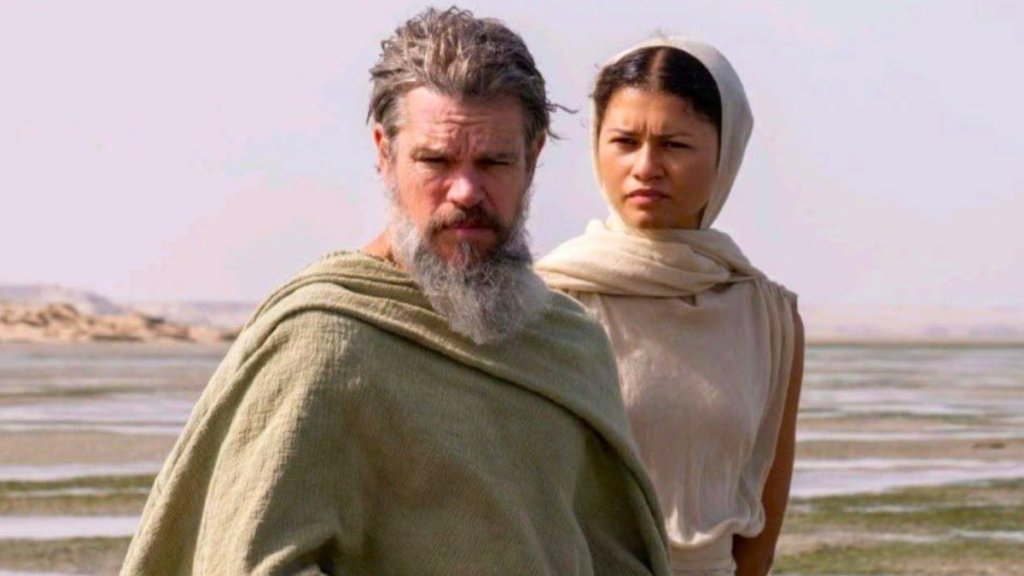
Contrary to the opinions of the ignorant yet vocal online denizens, Christopher Nolan‘s film adaptation of The Odyssey honors the original epic poem by Homer. Many have complained that the new movie disgraces the classic work with the changes Nolan made. However, these complaints ignore how the movie showcases a true understanding of Homer’s work through one key structural element.

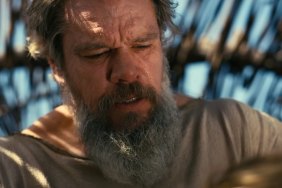
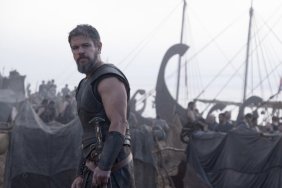
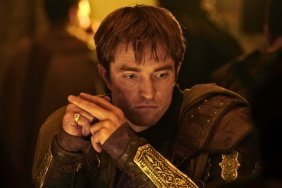
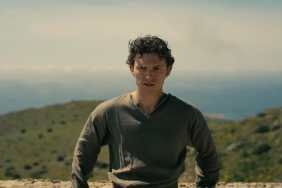
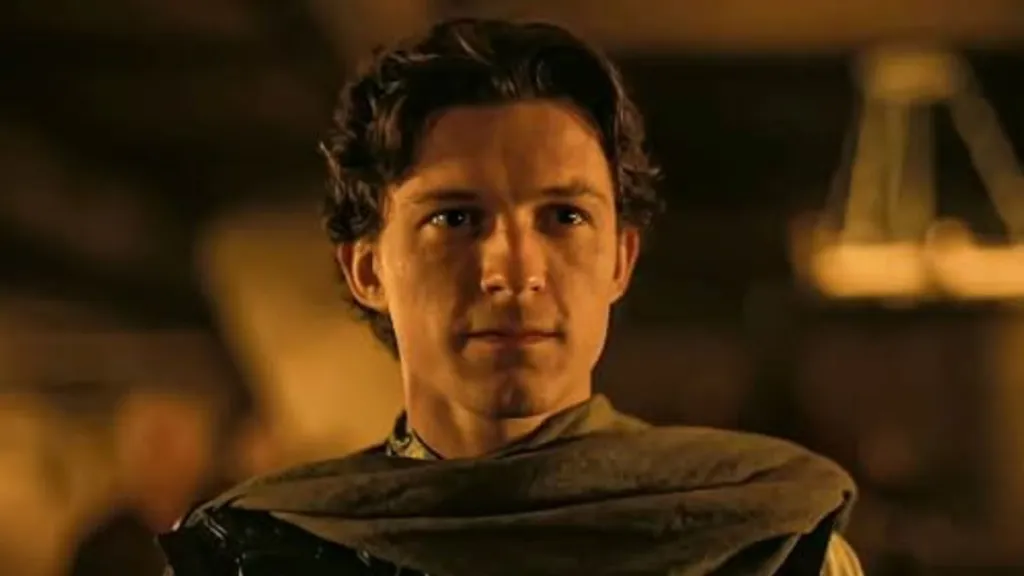
The story of The Odyssey centers upon Odysseus, King of Ithaca (Matt Damon) and his efforts to return home following the fall of Troy. This takes him the better part of ten years, due to a variety of challenges born of his actions offending the gods. As he wanders, his wife Penelope (Anne Hathaway) and son Telemachus (Tom Holland) attempt to hold back the many suitors come to claim Peneople’s hand and Odysseus’ throne.
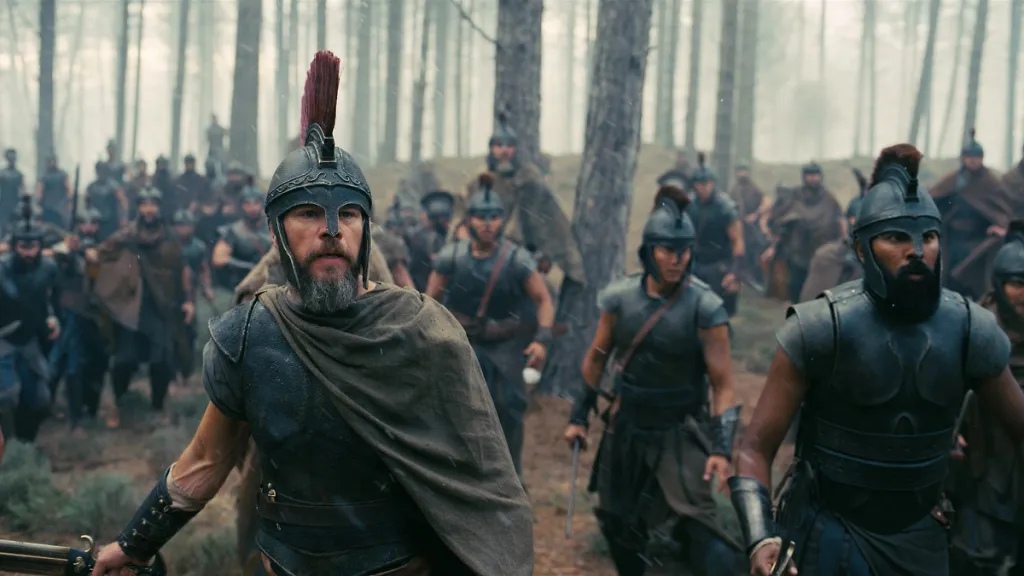
Some have called into question the quality of Christopher Nolan’s adaptation. These complaints range from the diverse ensemble of actors to aspects of the original story being cut for time. This ignores that Homer’s Odyssey was originally transcribed into 24 individual books. Even without Nolan being confined by the three-hour time limit imposed by the IMAX 70mm format, he would have no chance to film everything. Thankfully, despite the edits, Nolan did honor Homer’s text with one important artistic choice.
Christopher Nolan keeps episodic structure of Homer’s The Odyssey intact
One thing the critics of Christopher Nolan seem ignorant of is that The Odyssey was originally presented through live readings. This is because Homer’s works, much like those of Shakespeare, were meant to be performed, not read. This is often forgotten by people who only read poetry as part of their school studies.
The first scene of the movie sets the tone, with rapper Travis Scott playing a bard in Odysseus’ palace. This was an intentional choice by Nolan, who specifically cast Scott feeling classic oral poetry “is analogous to rap.” The bard starts to tell the tale of Odysseus’ role in ending the Trojan War, before being cut off by Penelope. While the bard’s role is brief it honors the structure of Homer’s poetry and sets a format for what follows.
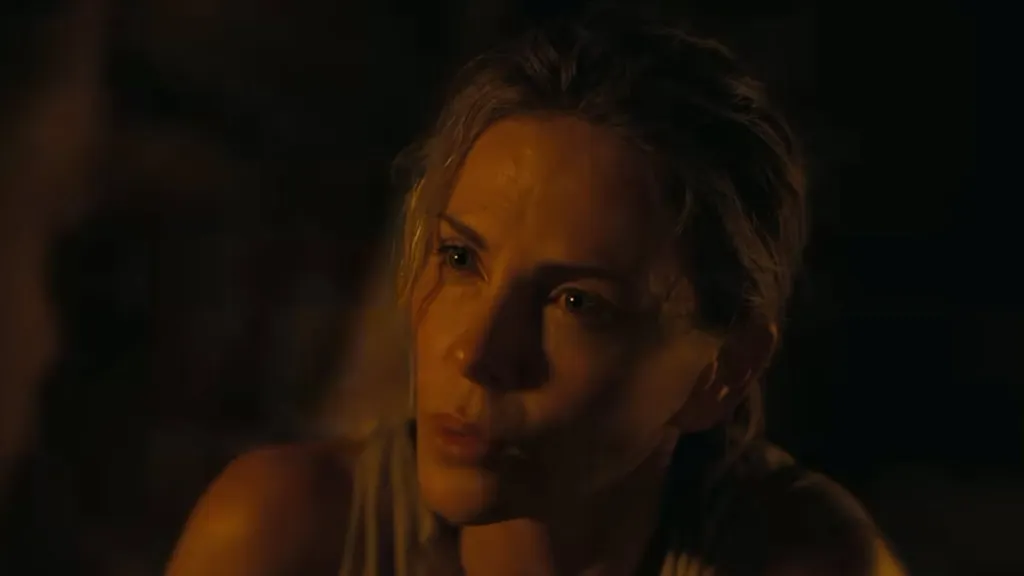
Most of the first two-thirds of the film is made up of characters telling stories instead of a sequential narrative. Roughly half of these scenes center around Telemachus, as he seeks proof that his famous father is still alive. Instead, he hears many tales of his father’s great deeds. The other half center around the goddess Calypso (Charlize Theron), who quizzes an amnesiac Odysseus on his travels.
Beyond mimicking the way Homer’s original The Odyssey was performed, this structure serves another purpose. It also breaks up the narrative in a way that holds the audience’s interest. By unveiling the details in an episodic fashion, suspense is generated despite it being obvious Odysseus will survive. In this, the Christopher Nolan film is not that different from the stories travelers and bards would share around the fire in ancient times.