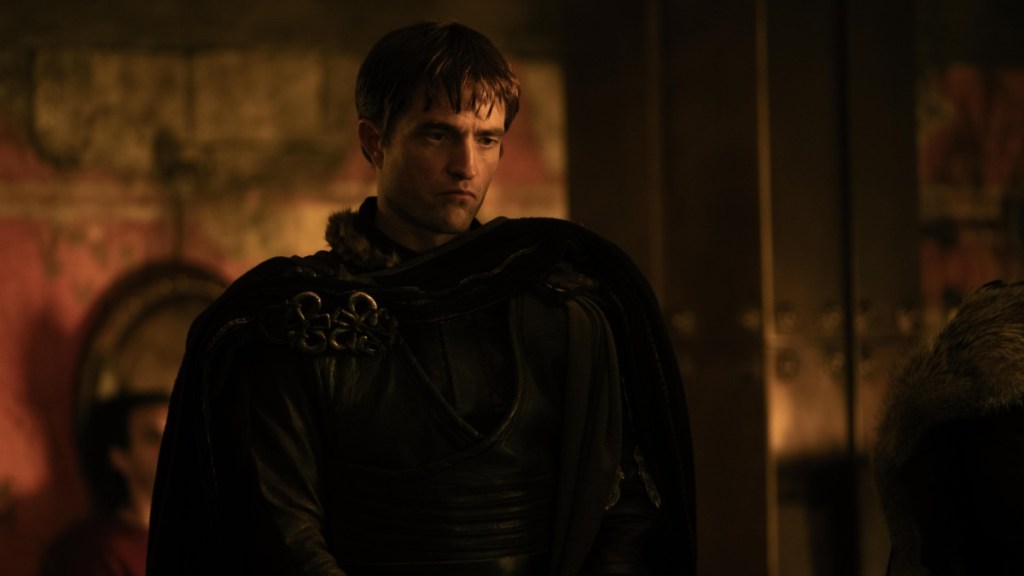
Christopher Nolan’s entire Homeric adaptation, aka The Odyssey, was shot on IMAX film cameras—a first for any commercial feature. Yet the vast majority of ticket holders will watch a cropped, digitally projected version that strips away up to 40 percent of the image Nolan composed.
Why most fans can’t see The Odyssey in IMAX 70mm
Only 25 American cinemas can screen The Odyssey in true IMAX 70mm when it opens nationwide this weekend. The bottleneck stems from the fact that no one has built a new IMAX film projector in five decades. IMAX CEO Richard Gelfond laid out the problem at Tuesday’s premiere. “The problem is they haven’t made new Imax film projectors in about 50 years,” he told Variety. “So we retrofit them, rebuild them and part of our strategy is to see how far we can take it.”
Scaling up requires more than ambition. Company sources confirmed to Variety that original design blueprints from the 1970s deteriorated long ago, leaving no complete manufacturing plan behind. Specialized components face a dead end—manufacturers refuse to produce them because the parts demand complex engineering and the customer base remains tiny. Additionally, very few working engineers now grasp how these machines actually function.
IMAX still pushed hard after Oppenheimer’s success in 2023. Teams scoured warehouses and backrooms for discarded projectors, stripping them for salvageable parts. The company trained 60 new projectionists from zero and rebuilt every recoverable unit in-house. The global count rose from 30 to 41 screens—a net gain of eleven after losing one projector during the refurbishment effort. Still, demand overwhelms supply. Gelfond noted sellouts stretching into the fifth week at some locations.
What separates a genuine 70mm presentation from everything else comes down to aspect ratio. Christopher Nolan framed The Odyssey at 1.43:1, a near-square format far taller than standard widescreen. Cinemas lacking the required film projectors and ceiling height chop out massive portions of the frame. Action may survive the cut when it sits center-screen, but the film’s vast seascapes and mythic landscapes lose their intended scale.