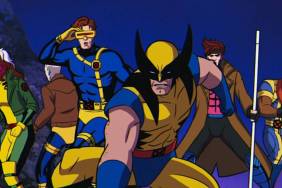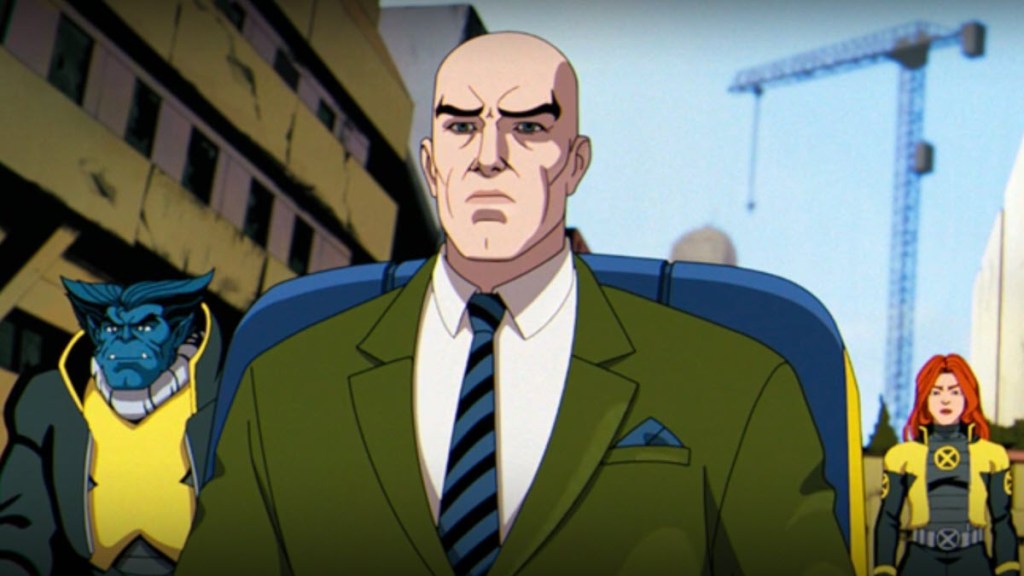
Halfway through its second season, X-Men ’97 has fallen into the same trap as the MCU in regards to adapting the comics. The Marvel Animation hit has drawn praise for how it built upon the original animated series; However, the series seems to have lost sight of what made the comics and characters popular.

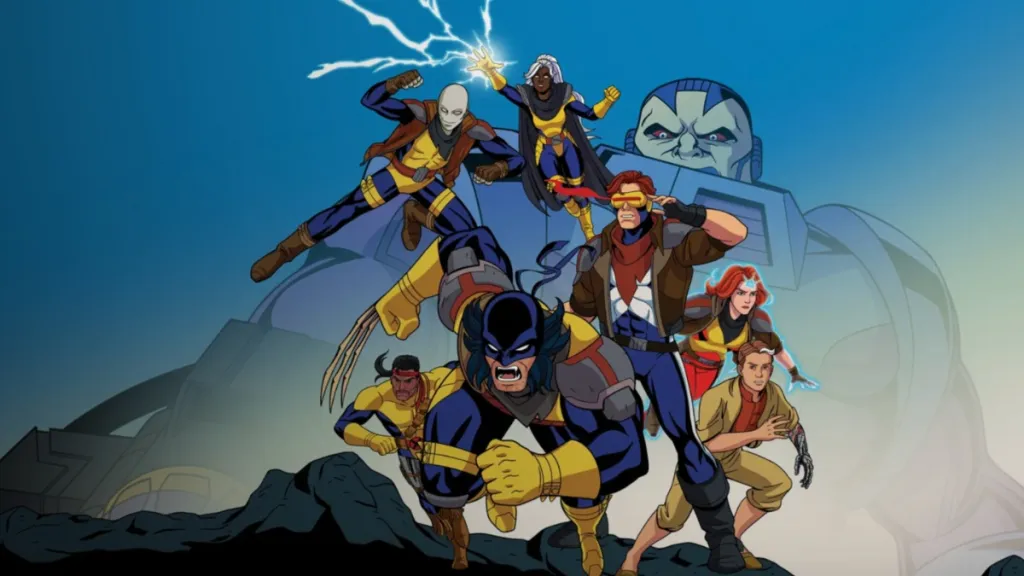
The central plot of X-Men ’97 Season 2 found the team scattered across time to battle the machinations of Apocalypse. They return to the modern day (i.e. 1997) to find a world that still hates and fears them. Worse yet, the United Nations cut ties with the X-Men in favor of a more marketable alternative dubbed X-Factor. However, the bureaucracy of the organization and the leadership’s reluctance to prosecute anti-Mutant terrorists pushes one member, Polaris, to quit.
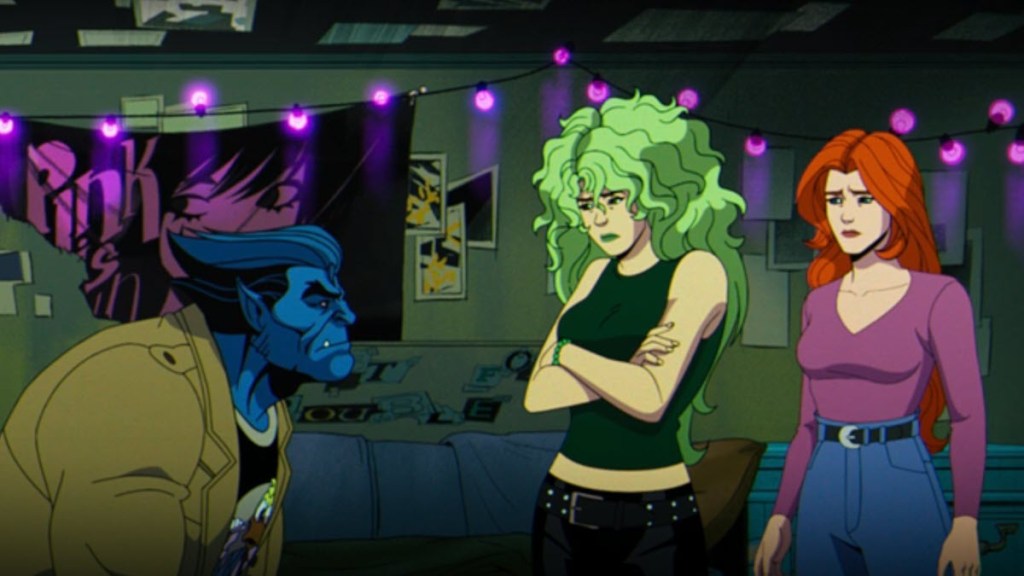
X-Men ’97 Season 2 Episode 6 “Danger.Exe” is nominally centered on Polaris as she returns to the Xavier School seeking direction. However, this collides with several subplots. Beyond the school reopening with a new class, Professor X continues coping with Magneto’s death. A new enemy is introduced in the former of Danger; the AI behind the Danger Room become independent and murderous. The episode also picks up on the scene that closed the first season, with Apocalypse resurrecting Gambit as one of his Horsemen. Beyond that, the episode also features the introduction of X-Corp, and a tease of the villain Onslaught coming into existence.
This would be a lot of material for a single season, let alone a single episode. However, X-Men ’97 offers this content at the expense of the storylines already playing out. Moreover, with a focus on potential stories over character-driven drama, X-Men ’97 has come to resemble the MCU following Phase Three.
X-Men ’97 Is chasing storylines instead of character moments
One of the chief complaints about recent MCU productions is a focus on plot over character. More effort goes into recreating classic comic stories than in developing new protagonists. As a result, the most successful recent MCU shows are those that were more focused on character building than expanding the setting.
A good example of this divide can be found in the responses to Ironheart and Wonder Man. Ironheart was primarily a vehicle for introducing Mephisto alongside Riri Williams and The Hood. Wonder Man was a character study of two actors who become friends. The fact that one was a superhuman and the other a convicted terrorist was entirely incidental. The former fell flat, while the latter was a hit with both critics and MCU fans.
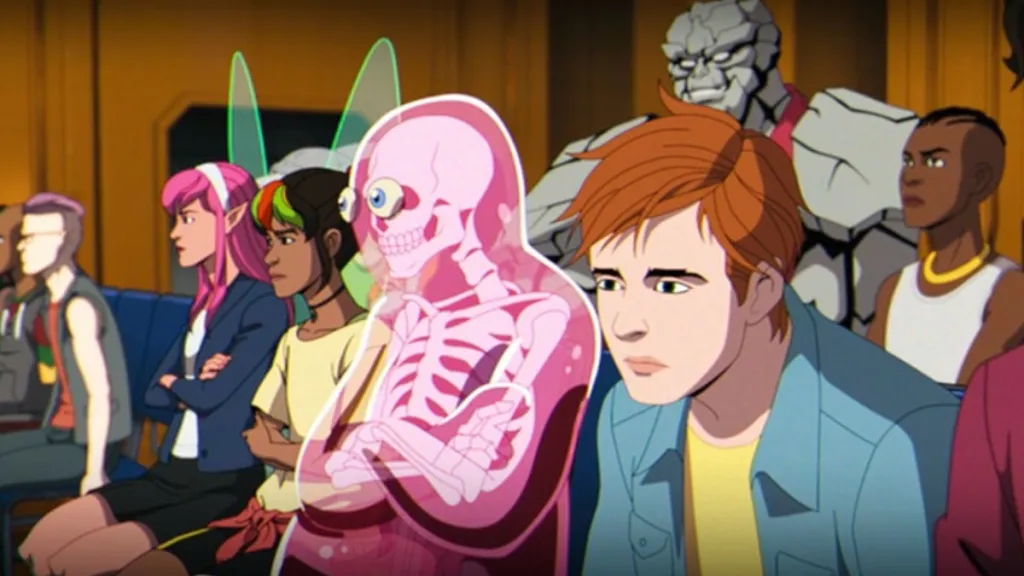
It is the treatment of the new students in “Danger.Exe” that best exemplifies how X-Men ’97 Season 2 has faltered. The new class features a grab-bag of young Mutants from across three decades. This includes X-Men from New Mutants (1982), Generation X (1994), New X-Men (2001), and Astonishing X-Men (2004). However, few of the students are given lines and fewer still are named directly. This makes the stakes remarkably low when the students are later threatened by Danger.
Apart from this, the students serve no purpose in X-Men ’97 beyond being Easter eggs for the comic readers and a possible source of future adaptations. Yet even that only exacerbates the problem of the core X-Men team being underutilized. For instance, while X-Men ’97 has devoted considerable time to Professor X mourning Magneto, Rogue has not been given the same consideration. Ultimately, the series is suffering, as it fails to provide the character-focused stories that define the X-Men franchise.
Originally reported by Dan Girolamo for SuperHeroHype.