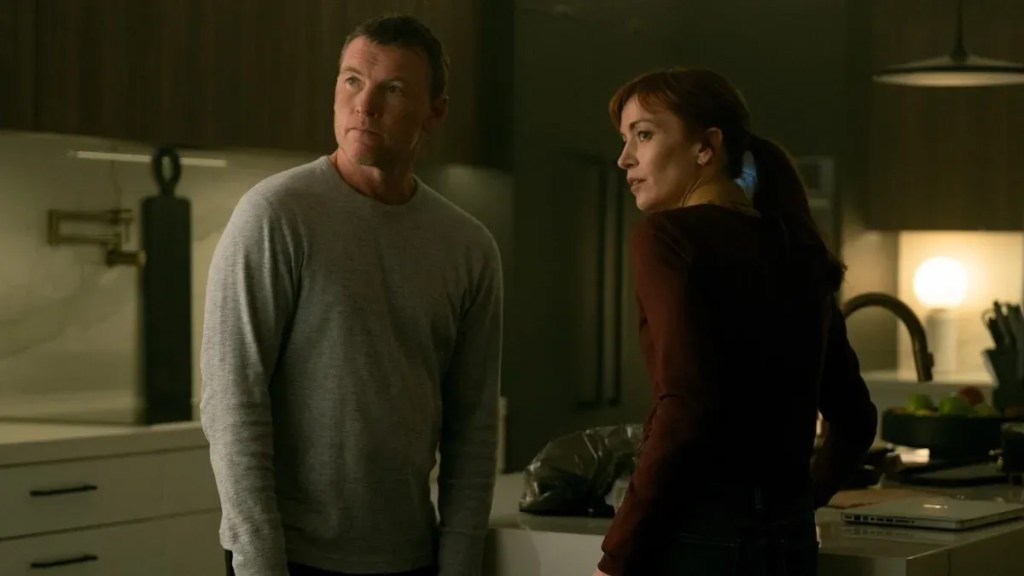
Sam Worthington’s latest Harlan Coben adaptation hides something deeper beneath its thriller surface. The show’s creators and cast explained how emotional storytelling elevates the Netflix series beyond its genre expectations.
I Will Find You creator and cast on Harlan Coben’s new show
Harlan Coben, Robby Hull, Logan Browning and Chi McBride discussed Netflix’s new thriller I Will Find You in an interview with ScreenRant. The series adapts Coben’s 2023 novel about a convicted father who learns his supposedly murdered son may still be alive.
Hull reunited with his former Gotham colleague Erin Richards, who plays David’s ex-wife Cheryl in the show. He called Richards “our first choice” for the role and praised her ability to bring emotional depth to the character. Hull noted that Coben’s best characters always ground big twists in real feeling. He added that the show’s misdirects serve a narrative purpose, explaining, “That’s not just a red herring, there’s a story there. It’s not the story you thought, but it’s an interesting, satisfying story.”
Meanwhile, Coben revealed that he wanted to expand Cheryl’s role beyond a supporting figure in David’s quest for truth. He stressed that “her journey is just as traumatic in many ways” and deserved its own spotlight. Additionally, Coben pointed to a specific early scene where Cheryl reflects on having a daughter with her new husband. He described such quiet beats as what can “turn an ordinary thriller into something a little bit more.”
Elsewhere, McBride shared a memorable anecdote about his first encounter with Browning on set. He recalled greeting her warmly, only for Browning to respond in character by refusing to call him dad. However, within days, Browning was checking on his comfort between takes and recommending health juices. Ultimately, McBride attributed their believable father-daughter dynamic to genuine personal chemistry rather than rehearsed performance.
Furthermore, Browning called the project a first foray into the thriller genre and credited the writers for their collaborative spirit. She recalled suggesting a dialogue change from “junior high” to “middle school” for generational accuracy, which the team embraced immediately.