Curious about all the Easter eggs hidden throughout A Knight of the Seven Kingdoms Episode 6 and how they connect to the wider history of Westeros? As Ser Duncan the Tall navigates the aftermath of Ashford and new loyalties begin to take shape, the finale weaves in direct references to Game of Thrones, House of the Dragon, and key lore from A Song of Ice and Fire.
Here’s a breakdown of every Easter egg and major Westeros connection featured in the season one finale.
All easter eggs in A Knight of the Seven Kingdoms Episode 6
The Targaryen Coin Flip
“Half the Targaryens went mad, didn’t they?… What’s the saying? ‘Every time a Targaryen is born the gods flip a coin.‘” The finale references the reputation of House Targaryen for familial madness, including Aerys II, known as “the Mad King.” Prince Daeron questions whether madness is inherent or shaped by experience.
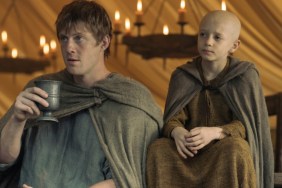
He tells Ser Duncan that Aerion “liked to fish” as a boy and became a monster only after they made “a man out of him.” Daeron argues nurture, not nature, explains his brother’s cruelty. This leads Dunk to take Egg as a squire to prevent him from losing the “coin flip.”
The Sapphire Isle Reference
Lord Lyonel Baratheon mentions visiting Tarth with Ser Duncan. Tarth, called the Sapphire Isle, is known for its crystal blue waters rather than gemstones. It lies in the Narrow Sea off the coast near Storm’s End. Tarth is home to House Tarth and the future home of Brienne, a descendant of Ser Duncan. Jaime Lannister once saw the island from afar on a passing ship in Game of Thrones.
Whispers of Rebellion in the Realm
“There’s a war coming.” Lyonel Baratheon says this despite fifteen years of relative peace after the Battle of the Redgrass. Blackfyre forces had escaped across the Narrow Sea but posed no major threat at the time.
Raymun Fossoway calls the Targaryens “incestuous aliens, Duncan. Blood-magickers and tyrants who’ve burned our lands, enslaved our people, dragged us into their wars without a mote of respect for our history or our customs.” A long-standing theory suggests major houses unified through fosterings and betrothals, including Rickon Stark’s alliances, eventually culminating in Robert’s Rebellion.
The Order of the Stranger
The Silent Sisters tend to Baelor’s remains and oversee the handling of his ashes. As members of the Faith of the Seven devoted to the Stranger, they live under vows of silence and chastity while carrying out funeral rites for the dead. In Westeros, they are tasked specifically with preparing bodies for burial, marking their presence through veiled faces and distinctive robes bearing the symbol of the Seven.
The Legacy of Pennytree
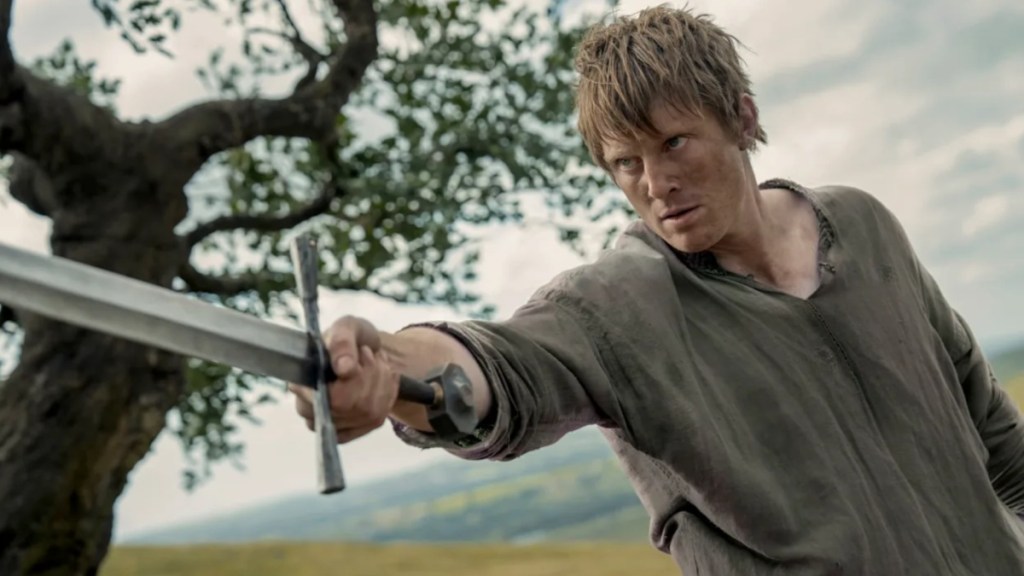
Ser Arlan came from Pennytree in the riverlands between two hills called “the Teats.” The village lies between lands controlled by Houses Bracken and Blackwood, whose feud appears in House of the Dragon. Pennytree has twelve-foot stone walls and holds royal fief status. Soldiers hammer a copper penny into a large oak before war; if they do not return, the penny remains in the tree.
A Curse Named the Others
Lyonel Baratheon says, “Others f***ing geld me,” instead of “Seven bloody hells.” The Others is the term used in A Song of Ice and Fire for the beings called White Walkers on Game of Thrones. At this time in Westeros, most people did not believe the Others existed. Even a century later, many still dismiss credible reports of their return.
The Apple Sigil Divide
At the Tourney of Ashford, House Fossoway split into two branches. Raymun adopted a green apple on his shield instead of the traditional red apple. Both branches continued swearing fealty to House Tyrell. The Cider Hall branch became known as the red-apple Fossoways, and the New Barrel branch as the green-apple Fossoways.